It has been apparent that in recent years a new problem of increased waste has emerged. Coupled with economic growth and urbanisation there has been a rise in consumerism hence creating larger amounts of rubbish – the majority of which is being either sent to landfill or ending up in oceans. There is now a growing sector for repurposing old goods to avoid sending as much to landfill (Alexander and Reno, 2012). This relates to UPE as it represents the notion of the circular economy. Urban centres are largely responsible for the waste problem but through policy and intervention they are giving the poorer (both in the local community and elsewhere across the globe) access to disused items – alleviating the burden on landfill sites.
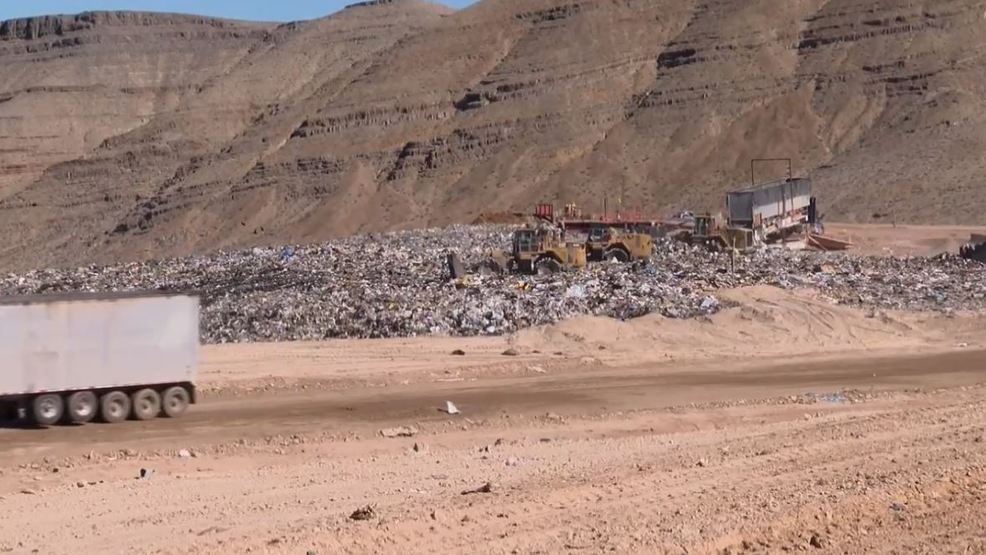
In Las Vegas the main landfill site (Apex), receives roughly 300 tonnes of rubbish every hour (Robison, 2013). This gives the site the title of being the largest landfill site and also the site which receives the highest tonnage of rubbish in the USA (Robison, 2013). This is likely due to the high amount of tourists that visit the city. It is proven that the average hotel guest accumulates over 1kg of rubbish per day of their trip (Pirani and Arafat, 2014). In a city like Las Vegas it is likely to be considerably higher as excessive spending on luxury items and also food is common for visiting tourists. This has left residents in communities around the city concerned for their personal wellbeing due to the high amount of rubbish that surrounds them, and demanding evidence that hotels and casinos are acting with corporate environmental responsibility (Cummings, 1997).
However, hotels and casinos in Sin City are doing their bit to try and minimise the waste that they send to landfill. At Caesars Palace in 2017, 41% of its waste was diverted from landfill, this increased to 49% in 2018. It is hoped that by 2025 60% of the waste will be diverted. These reductions have occurred by donating and redistributing unused bar soap from hotel bathrooms and also donating unused furniture after refurbishment (Caesars, n/d).
Nearly 50% of all waste produced in the hospitality sector is from food waste – this could be food that has passed its expiration date or leftover scraps from customers plates (Pirani and Arafat, 2014). It is assumed that 95% of this waste could be recycled or composted, however all too often food waste ends up in landfill. This poses further challenges as food waste decomposes and produces methane, this has a pungent odour which is problematic for communities living near to landfill facilities whilst also exacerbating and adding to the greenhouse gas problem (Sullivan, 2011).
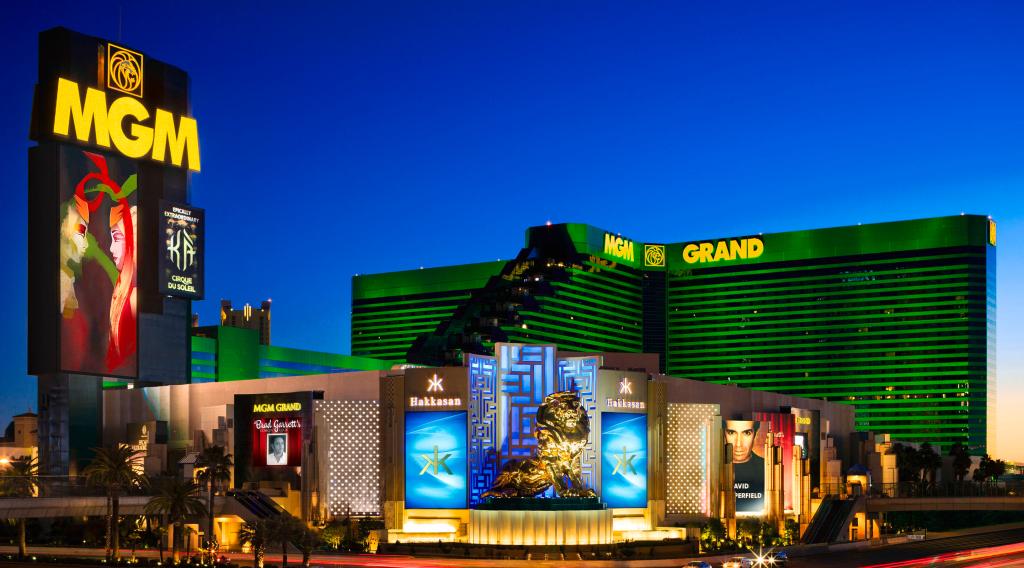
Hotels are trying to deal with their food waste in innovative ways this is in line with guidance from the EPA (environmental protection agency) (Ewing, 2016). The MGM hotels in Las Vegas are leading the way and have seen savings of up to $9000 per month by making small changes (EPA, n/d). The MGM Grand hotel now donates food that is about to expire to foodbanks – it also collects any non-perishable items from minibars that have passed their expiration date. These are deemed OK to eat a year after the best before date. This then also get sent to local food donation centres (Curtis, 2018). Banquet food from buffet restaurants and conferences are repurposed to make individual meals for homeless shelters. It is expected that by 2021, 80,000 meals will be created by repurposing food that would otherwise go to waste (Curtis, 2018). The MGM hotels also sort through their food waste and collect the organic food waste. This is then cooked and processed and sent to LVL livestock farms in Nevada State. This can feed up to 12,000 pigs per day. This shows how urban waste can lend a hand in a more rural setting.
Arguably the only reason that big corporations are tackling their waste is due to guidelines imposed by the EPA, ensuring that their reputation is not tarnished by showing a lack of consideration for local communities and cost saving that occurs from the reduced waste. There is potential for further improvement in the waste sector. Leftover fats and oils have the potential to be turned in to fuel sources and methane captured from the food waste that does make its way to landfill could be used to power up to 800 homes in Las Vegas (Ewing, 2016). These are all potential avenues to be explored in future years, but for now Las Vegas is making steady progress to reduce its overall waste.
Word Count: 737
References:
Alexander, C. and J. Reno (eds.) (2012) Economies of Recycling: The Global Transformation of Materials, Values and Social Relations. Zed Books: New York. (1-26)
Casers (n/d) Our waste reduction (WWW) Casers: Nevada (https://www.caesars.com/corporate/corporate-social-responsibility/planet/waste, last accessed 21/03/20)
Cummings. L.E. (1997) Waste Minimisation Supporting Urban Tourism Sustainability: A Mega-Resort Case Study, Journal of Sustainable Tourism, 5:2, 93-108
Curtis, A. (2018) Question of the day – 27 Dec 2018 (WWW) Las Vegas Advisor: Las Vegas (https://www.lasvegasadvisor.com/question/food-waste-las-vegas/, last accessed 21/03/20)
EPA (n/d) Links and resources about food recovery in Las Vegas (WWW) EPA: Washington (https://www.epa.gov/sustainable-management-food/links-and-resources-about-food-recovery-las-vegas, last accessed 21/03/20)
Ewing, T. (2016). Food waste recycling poses local challenges, Planning 82(5), 12.
Pirani, S. & H. Arafat, 2014. Solid waste management in the hospitality industry: A review. Journal of Environmental Management, 146, p.320
Sullivan, D. (2011). Improving economics of food waste recycling, Biocycle, 52(1) 20-22
 Urban Political Ecology