
Figure 1: A shebeen mural in South Africa. Leigh, 2017
Throughout this blog, I have examined the flows of water, knowledge, capital and waste in the city. This post will follow a different path and explore how alcohol shapes and is shaped by the city. Don’t worry; I am not about to lecture you on the harmful effects of alcohol on our health and wellbeing. This exploration of alcohol will present a more grounded and nuanced narrative. Through a UPE lens, we can reframe alcohol as a flow rather than a substance fixed in place (Lawhon, 2012). Alcohol plays an important role in the formation of the cyborg city, creating sociality and shaping the materiality of urban life (Latham and McCormack, 2004).
In Cape Town, there are many informal and illegal alcohol outlets, commonly known as shebeens (Figure 1) which have been central to regulation and numerous policies over the last decade (Smit, 2014). This discourse dates back to 1927, when South Africa passed the liquor act. This law prohibited non-white Africans from selling alcohol or entering licensed premises. The passing of the liquor act marked the beginning of a colourful and powerful narrative of South Africa’s shebeens. Shebeens “not only provided a crucial survival strategy amidst urban poverty, but … also facilitated the development of a spirit of community and companionship in areas noticeably lacking adequate social amenities” (DeHaas, 1991).
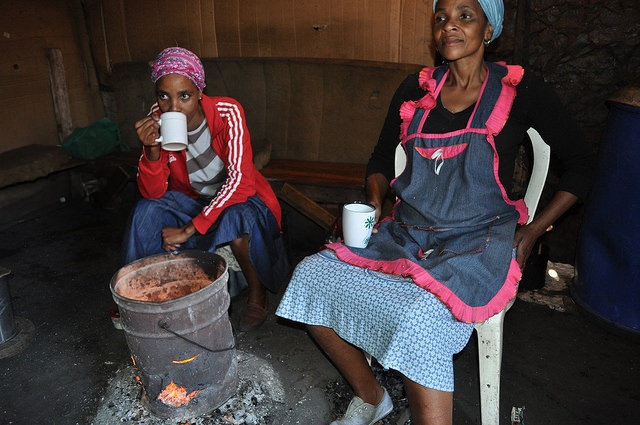
Figure 2: Women in Langa Shebeen. Chisholm, 2015
The women behind the Shebeens, the shebeen queens, saw the strong market for the African beer and began brewing the beer in their homes or yards, using generations-old recipes (Figure 2). Shebeens quickly became breeding grounds for new forms of art and expression. However, this was not without friction and contestation. Although drinking levels in South Africa are quite low, a significant proportion of drinkers engage in unsafe and risky drinking (Parry, 2005). High levels of dangerous drinking translate to high levels of violence, crime and disease. Therefore, the selling and consumption of alcohol have become heavily regulated.
Circulation
Multiple socio-material frictions inhibit the flows of alcohol (Lawhon, 2012). The flows and frictions of alcohol in Cape Town reveal a story about resistance and innovation; the drastic measures shebeen operators will take to overcome these frictions and keep their business alive. The illegal delivery of alcohol into townships is often discrete. However, the active drinking of alcohol in and around shebeens is not so easy to hide. The social aspect of alcohol integrates the presence of police into the process and flow. Under government regulations, police become a ‘friction’ who can stop the flow of liquor at these places through the confiscation of alcohol. Shebeen operators find various ways to protect their supplies by hiding their stock in nearby premises and retrieving the drink as required. The flow of alcohol, therefore, continues and the shebeens continue to thrive.
Spatial configurations such as drinking spaces are also widely recognised as a friction which reshapes the flow of alcohol. For example, the lack of tables in drinking spaces can increase the consumption of alcohol. People spend less time resting their drink on the table and consequently drink a lot faster (Lawhon, 2012). It is shocking how something so trivial like a table is considered as a source of friction.
Alcohol like water and waste flows through and is metabolised in Cape Town. Multiple socio-material frictions shape its journey. Examining the frictions of urban hybrids can help us to understand the flows, enabling cities to implement more accommodating and cooperative regulations and policies. Shebeens are a significant source of employment, providing between 60,000 to 100,00 jobs (Herrick and Lawhon, 2012). However, they are simultaneously facilitating high rates of alcohol-related harms. Cape Town must strive to find flexible, adaptable and integrated solutions which permit responsible consumption and retail while simultaneously reducing alcohol-related harms.
Word Count: 640
References:
De Haas, M. (1991). Of joints and jollers: Culture and class in Natal shebeens. In E. Preston-Whyte & C. Rogerson (Eds.), South Africa’s informal economy (pp. 101– 114). Oxford: Oxford University Press.
Latham, A. and D. McCormack (2004) ‘Moving cities: Rethinking the materialities of urban geographies’, Progress in Human Geography, 28, 6, 701-724
Lawhon M and Herrick C (2012) Shebeens in the news: Contesting alcohol control policies in the Western Cape, South Africa (under revision)
Lawhon M (2013) Flows, friction, and the sociomaterial metabolisation of alcohol. Antipode 45(3): 681–701
Parry, C. D. H. (2005). South Africa: Alcohol today. Addiction, 100, 426– 429
Smit, W., 2014. Discourses of alcohol: reflections on key issues influencing the regulation of shebeens in Cape Town. South African Geographical Journal, 96(1), pp.60-80.
Figures:
Figure 1: Leigh, T., 2017. South Africa’s Historic Speakeasies Are Still Thriving. [online] Vogue. Available at: <https://www.vogue.com/article/south-african-speakeasies-shebeens-guide> [Accessed 10 April 2020].
Figure 2: Chisholm, B., 2015. Shebeens and their Beer Brewing Queens. [Blog] The Budget Safari blog, Available at: <https://www.africanbudgetsafaris.com/blog/the-shebeen-story/> [Accessed 10 April 2020].
 Urban Political Ecology
This was such an interesting post! I never thought about analyzing alcohol as a flow. Especially during times like these with global economic hardship, looking at how substances shape and create sociality and materiality can lead to important insights. The simple fact that in Cape Town shebeens represent more illicit rather than social gatherings and how that leads to a quicker consumption of alcohol and can lead to acts of aggression, and also, for example, careless acts of pollution or other ecological decay. However the sense of community spirit these places still provide, despite regulations, shows the resilience of human nature. Honestly, really enjoyed reading this!!
LikeLike