Storyful Rights Management, 2020
Wild goats roam around Llandudno, North Wales, boars have descended from the mountains to the centre of Barcelona, and an estimated 1000 monkeys rummage through rubbish and fight for food in the Thai city of Lopburi. Covid-19 has sparked curiosity amongst urban wildlife which normally remains out of sight in the city.
As the residents of Cape Town self-isolate and streets are left empty, wildlife has begun to reclaim the streets. The video above presents three penguins casually waddling down Cape’s streets towards the ocean (Figure 1). Boulder’s Beach in Cape Town is one of the only places in the world where people can interact with the famous citizens of the city, the African penguins (Figure 2). The penguins which are usually anxious when humans or cars are too close are enjoying their new freedoms.
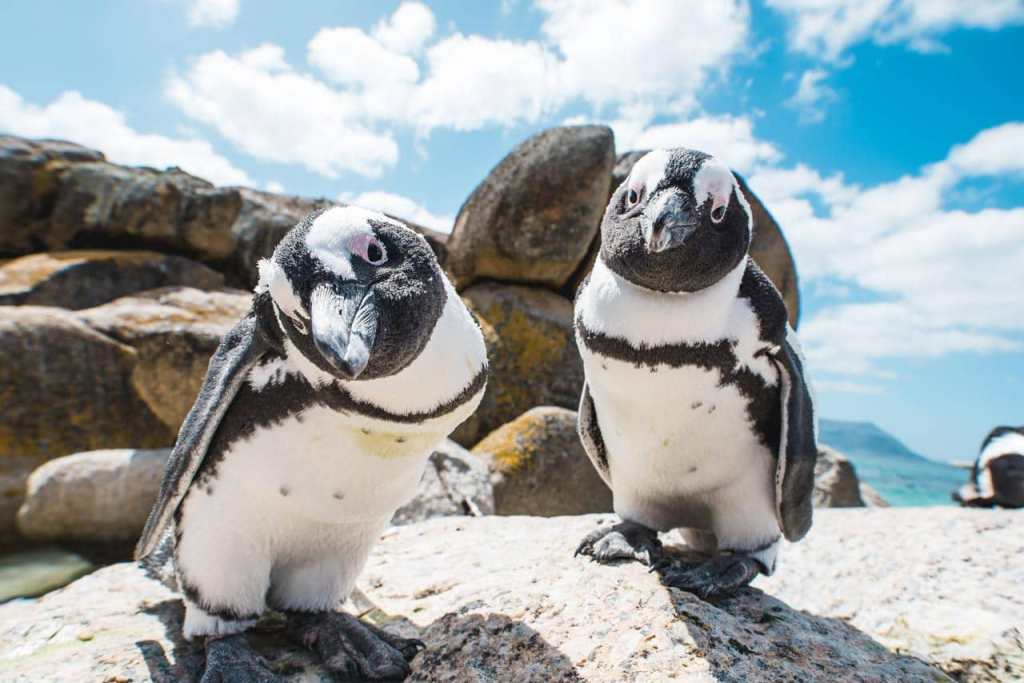
Figure 2: Cape Town’s unique African Penguins at Boulders Beach. Love Cape Town, 2020
UPE seeks to shift the uneasy understandings that cities are ‘ontological’ entities, detached from non-human forms and organisms which shape urban life (Tzaninis et al., 2020). The penguins who typically remain out of sight are a gentle reminder of how cities are inextricably wrapped up in human-animal relations (Hovorka, 2008). Non-human inhabitants are central urban actors who shape the city and influence human actions. Many urban geographers are beginning to embrace the urban as spaces of human-non-human activity. Rather than living against nature, we live with nature.
Thank you for joining me on my journey exploring Cape Town’s metabolic flows. I hope that you have enjoyed learning about some of the UPE issues of Cape Town. Like many cities, Cape Town is home to inequality, social disparity and injustice. I confronted these issues across each blog topic which emphasises the devastating effects apartheid has had on the city. These problems are still extremely prominent in Cape Town and times of crisis such as the drought or Covid-19, bring the growing inequalities to light.
The city’s relationship with nature is complex, filled with both joys and injustices. I have maintained a critical and analytical approach throughout each blog and exploring Cape Town through a UPE lens has, without a doubt, raised many shocking realities. However, nobody likes a sad ending. Although Cape Town is facing many challenges, the city is working to decrease inequality, injustice and environmental degradation. The city recently released their resilience strategy in 2019, which includes policies to improve the lives of poorer residents and create a more inclusive, healthy and environmentally friendly city (City of Cape Town, 2019).
Word Count: 437
References:
City of Cape Town, 2019. Cape Town Resilience Strategy. Cape Town: City of Cape Town.
Hovorka, A. (2008). “Transspecies urban theory: chickens in an African city.” Cultural Geographies 15(1): 95-117.
Love Cape Town, 2020. Covid-19 Lockdown. Available at: <https://www.capetown.travel/covid-19-lockdown-alert-levels/> [Accessed 29 March 2020].
Tzaninis, Y. et al. (2020) ‘Moving urban political ecology beyond the ‘urbanization of nature’’, Progress in Human Geography. doi: 10.1177/0309132520903350.
Figures:
Figure 1: Storyful Rights Management, 2020. Penguins Stroll In Quite Street In South Africa. Available at: <https://www.youtube.com/watch?v=p5nxZR-sxNE> [Accessed 20 April 2020].
Figure 2: Love Cape Town, 2020. African Penguins at Boulders Beach. Available at: <https://www.capetown.travel/get-to-know-the-african-penguins-at-boulders-beach/> [Accessed 29 March 2020].
 Urban Political Ecology
This was a beautiful end point to your series of posts. It has brought joy to my days seeing nature reclaiming its space. I think, after all, the environment has proven to be more resilient and able to regenerate as we thought. At the same time, it has also shown how harmful humans have been to nature. Hopefully when this is all over, everyone will be able to rethink their urban footprint and the legacies we they leave. Thank you for your series!
LikeLiked by 1 person
I am glad you like it! Thank you for reading my blogs and leaving incredibly insightful comments. Our blogs have highlighted the lack of environmental concern and the continuous ecological damage prevalent in cities across the globe. I agree. I hope that this may kickstart new ways of thinking about nature. Thank you!
LikeLike